A 90-day term
A month is not long enough to tell a result from a coincidence. A 90-day term gives the data time to accumulate, then closes on one decision: continue, change or stop. Nothing renews automatically.
Growth
Google Ads managed in 90-day terms, with a dashboard that shows where the budget went and what enquiries came back.
How the work runs
A month is not long enough to tell a result from a coincidence. A 90-day term gives the data time to accumulate, then closes on one decision: continue, change or stop. Nothing renews automatically.
The ad account is created in the client's business name, and Google is paid directly from the client's own payment method. If the engagement ends, the account and its whole history stay put.
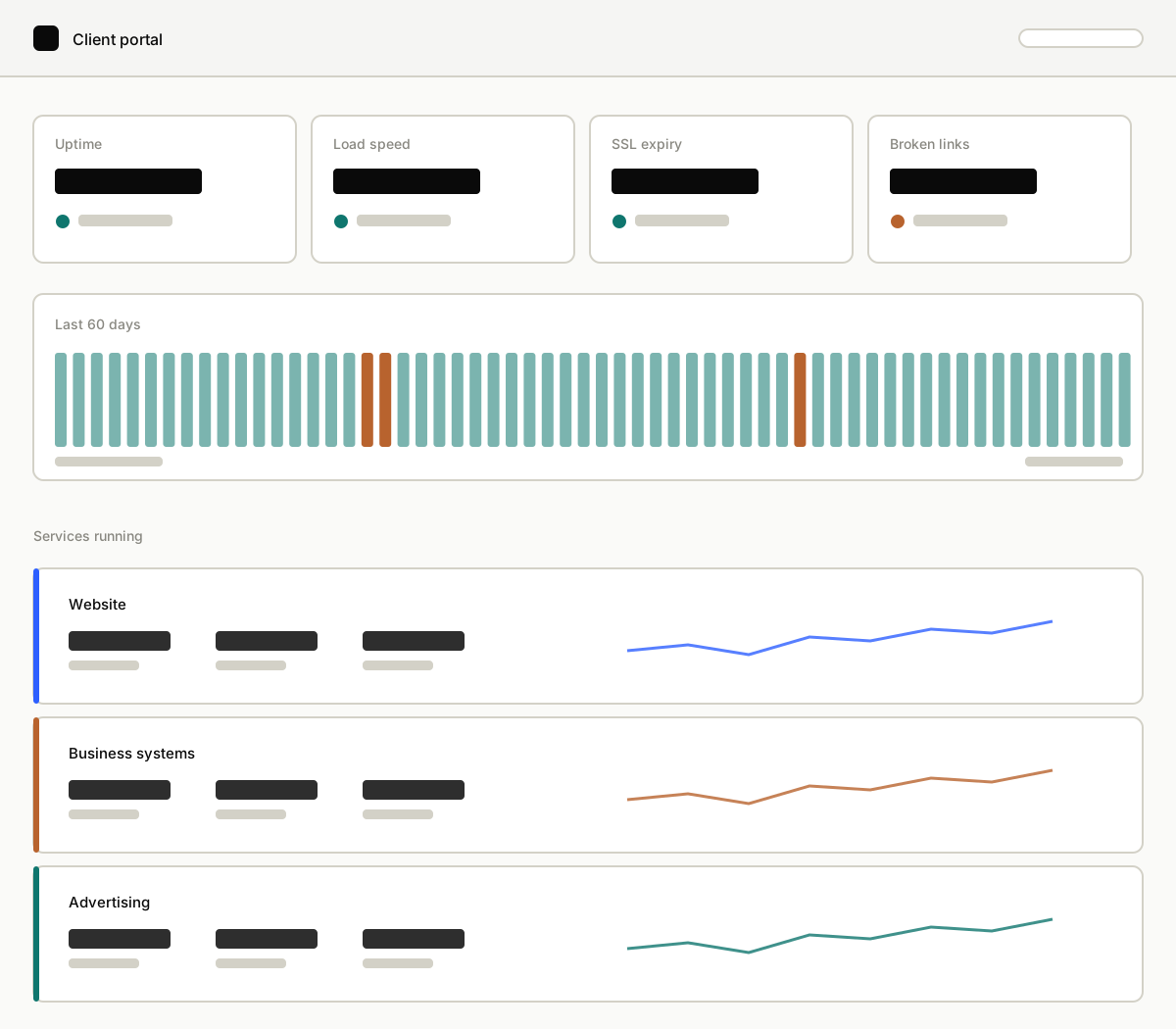
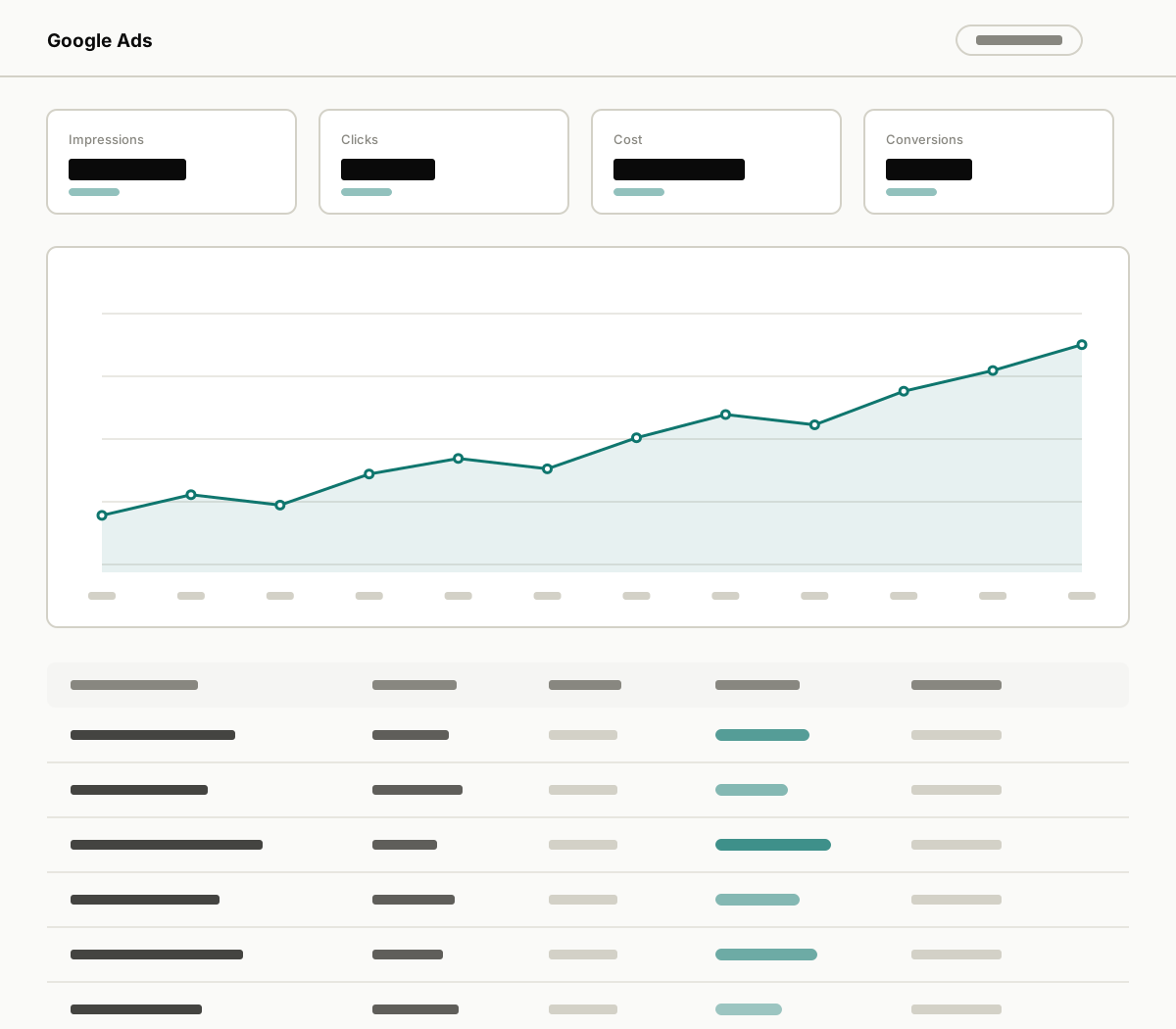
Cost, clicks and incoming enquiries can be read at any time, on the same dashboard the work is done from. The read-out at the end of a term explains those numbers rather than replacing them.
What a term contains
Every term covers the whole list below. Setup is priced per component in the first term, and management is one price per term.
Deciding which searches are worth paying for and, which matters more for cost, which ones to block from the start.
Campaigns and ad groups arranged so each search lands on the right ad and the right page, not on the home page.
Several versions run side by side, and the losing ones are stopped on the data rather than on taste.
Form submissions and WhatsApp clicks are measured as conversions, because without them optimisation cannot tell which clicks produced an enquiry.
Bids, schedule, location and device are adjusted through the term as the data comes in.
The dashboard runs throughout, and the term closes with a read-out: cost per enquiry, what worked, and a recommendation for what to do next.
The ad budget is paid by the client directly to Google, separately from the management fee. The minimum budget taken on is Rp2,5 million a month, around Rp80 thousand a day, because below that the number of clicks in 90 days is too small to conclude anything from.
A worked example
Before
Ads ran on broad keywords with no negative list, so part of the budget went to searches that were never going to become an enquiry. Cost per click sat in the tens of thousands of rupiah, and with no conversion tracking there was no way to tell which clicks were useful.
What was done
The campaign structure was rebuilt around product groups, a negative list was assembled from the searches that had actually happened, and conversion tracking was fitted to the form and the WhatsApp click before any budget was raised.
What is read now
The number being watched is not clicks but cost per enquiry, because that is the figure deciding whether the next term continues, changes or stops.
Phasing
An existing account is reviewed, or a new one is created in the client's business name. Conversion tracking and the dashboard go in first, because without them there is no basis to measure anything.
Campaigns go live on the agreed budget. The first week is watched closely, because that is when the data is thinnest and a mistake is most expensive.
Negative lists, bids, ad copy and landing page fit are adjusted through the term. Every change is logged, so it stays visible what moved the numbers.
The term closes with a read-out: cost per enquiry, the keywords that produced, and a recommendation to continue, change or stop.
Questions
The client pays Google directly, from a payment method in their own business name. The ad budget never passes through Sonattra, and the management fee is invoiced separately from it.
Rp2,5 million a month, around Rp80 thousand a day. On industrial keywords a click can cost tens of thousands of rupiah, so a budget below that buys only a few clicks a day, which is not enough to judge anything on within 90 days.
The client. The account is created in the client's business name rather than under an agency account. If the engagement ends, the account, the campaign history and all of its data stay put.
A term ends without renewing itself, and closes with a read-out as it is. Nobody can promise what advertising will return. What can be promised is which searches get paid for, where those visitors land, what is measured, and that the numbers are reported as they are, in a good period and a bad one. One other thing is worth saying up front: ads do not fix a mismatch between product, price and market. Where that is what the audit shows, it gets said before any budget is spent rather than after three months.
Not yet. Growth currently covers Google Ads only, because that is the channel reaching people who are already searching. Anything to do with site structure and speed is handled under the website work.
Tell us what you're building, we'll take it from there.
Start a project →